مجلة علوم اللغة العربیة (فصلية محکمة)

مجلة علوم اللغة العربیة (فصلية محکمة)

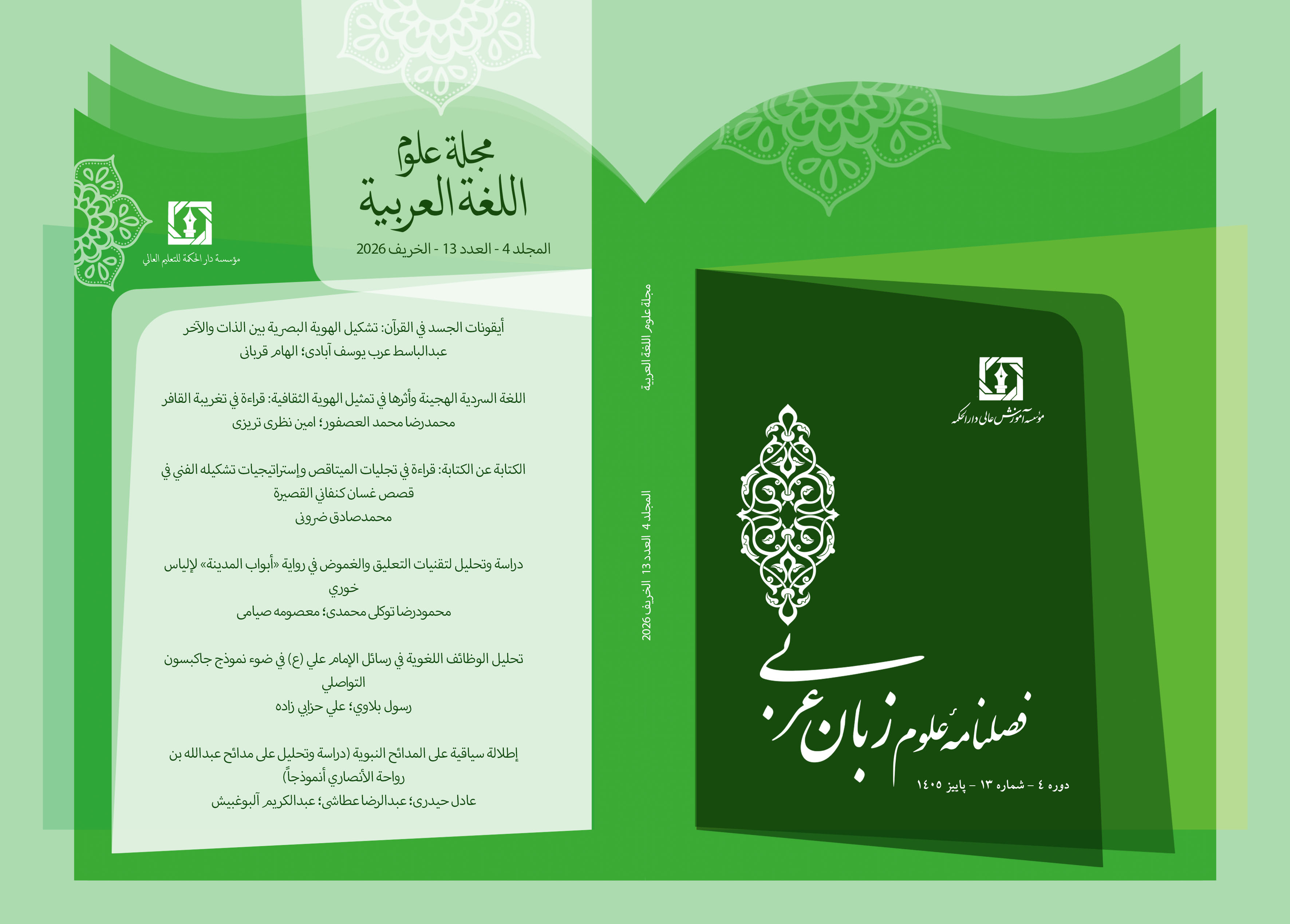
اللغة السردية الهجينة وأثرها في تمثيل الهوية الثقافية: قراءة في تغريبة القافر

نوع المستند : مقاله پژوهشی

المؤلفون
1 طالب دکتوراه في فرع اللغة العربیة وآدابها، جامعة شیراز، شیراز، إیران
2 أستاذ مساعد في قسم اللغة العربیة وآدابها، جامعة شیراز، شیراز، إیران
10.22034/aoa.2026.598991.1121
المستخلص
تتناول هذه الدراسة في رواية "تغريبة القافر" اللغة السردية الهجينة التي تمزج بين العربية الفصحى وبعض المفردات المحلية العمانية المهددة بالاندثار، بوصفها أداة لإعادة تمثیل الهوية في هذه الرواية التي فازت بالجائزة العالمية للرواية العربية (البوكر) عام 2023، تسعى الدراسة إلى تتبع ملامح هذه اللغة وآليات تشكلها في النص الروائي، وكيفية تحول المفردات المحلية من کونها أدوات وصفية إلى علامات سيميائية ورمزية حاملة لدلالات وجودية متعددة، وتتوزع جهود التحليل في هذه الدراسة على محورين رئيسيين؛ يتناول أولهما ازدواجية اللغة السردية بين الفصاحة والمحلية بوصفها منهاجاً للهوية، مبرزاً كيف يعيد القاسمي إنتاج الهابيتوس الثقافي العماني في نسيج سردي حي عبر توظيف مفردات كالقافر والطوي والغيل والساعد، فيما یخصّص المبحث الثاني لتحليل المفردات المحلية بوصفها أدوات لتفكيك الواقع ومراكمة الدلالات الوجودية والرمزية، مركزاً على كيف تحولت هذه المفردات من أوصاف مادية إلى أيقونات للأسئلة الكبرى حول الحياة والموت والقدر والاغتراب، وتخلص الدراسة إلى أن القاسمي يؤسس بذلك نموذجاً خاصاً للواقعية السحرية العمانية المنبثقة من الجغرافيا المحلية، لا من استيراد النماذج الغربية أو اللاتينية، حيث يندمج العجائبي باليومي عبر لغة سردية تقدم الخوارق بوصفها حقائق عادية.
الكلمات الرئيسية

عنوان المقالة Persian

The Hybrid Narrative Language and Its Impact on the Representation of Cultural Identity: A Reading of Taghribat al-Qafir

المؤلفون Persian

Mohammad Ritha Mohammad Al osfoor 1
Amin Nazariterizi 2
1 PhD Student of Arabic Language and Literature, Shiraz University, Shiraz, Iran
2 Assistant Professor of Arabic Language and Literature, Shiraz University, Shiraz, Iran
المستخلص Persian

This study examines the novel Taghribat al-Qafir by the Omani novelist Zahran Al-Qasimi, winner of the International Prize for Arabic Fiction (Booker) in 2023, focusing on a central analytical axis: the hybrid narrative language that blends Classical Arabic with endangered Omani local vocabulary, as a tool for reshaping cultural identity. The study seeks to trace the features of this language and its mechanisms of formation within the novelistic text, as well as how local vocabulary transforms from mere descriptive tools into semiotic and symbolic signs bearing profound existential connotations. The analytical efforts of this study are distributed across two main axes: the first addresses the duality of narrative language between eloquence and locality as a paradigm for identity, highlighting how Al-Qasimi reproduces the Omani "habitus" in a living narrative fabric through the employment of terms such as al-Qafir, al-Tawi, al-Ghayl, and al-Sa'id. The second axis, meanwhile, focuses on analyzing local vocabulary as tools for deconstructing reality and accumulating existential and symbolic connotations, concentrating on how these terms have transformed from material descriptions into icons for the great questions of life, death, fate, and alienation. The study concludes that Al-Qasimi thereby establishes a unique model of Omani magical realism that emerges from the local geography, rather than importing Western or Latin American models, where the marvelous merges with the everyday through a narrative language that presents the supernatural as ordinary facts.

الكلمات الرئيسية Persian
زبان روایی ترکیبی
هویت فرهنگی
واژگان بومی
«تغریبة القافر»
رئالیسم جادویی عمانی
المجلد 4، العدد 13
الخريف 2026
الصفحة 21-37

  • تاريخ الاستلام 24 إبريل 2026
  • تاريخ المراجعة 09 سبتمبر 2026
  • تاريخ القبول 11 سبتمبر 2026